Common Situations That Require Professional Fire Watch Guards
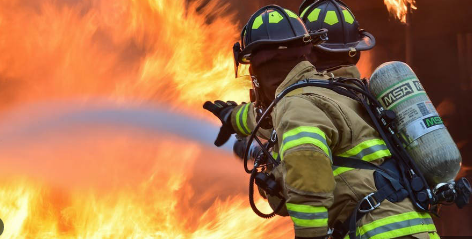
Fire risks can arise unexpectedly across many types of properties and projects. Data-focused safety blogs often highlight that a large percentage of fire-related incidents occur during temporary changes, equipment failures, or high-activity periods. Below are frequently asked questions that explain the most common situations where professional fire watch guards become essential, presented in a clear, professional, and statistics-driven format.
What Situations Most Commonly Lead to the Need for Fire Watch Guards?
Fire Watch Guards are typically required during periods of elevated fire risk. Industry loss reports consistently show that fires are more likely when normal safety routines are disrupted. These situations may include maintenance work, system downtime, or unusual building use. Having trained personnel on-site during such times significantly lowers the chance of incidents escalating.
Why Are Fire Watch Guards Needed During System Downtime?
Temporary shutdowns of fire detection or suppression equipment increase exposure to risk. Statistical safety analyses indicate that properties face a higher probability of fire-related losses when automated safeguards are unavailable. Fire watch guards fill this gap by maintaining continuous human observation, ensuring that early warning signs are noticed and addressed without delay.
How Do Construction and Renovation Projects Increase Fire Risk?
Construction and renovation environments are among the highest-risk scenarios for fires. Data from commercial safety studies shows that sparks, heat-producing tools, and temporary wiring contribute to a higher incident rate in active work zones. Fire watch guards monitor these activities closely, helping to identify unsafe practices and ensuring that potential hazards do not go unnoticed.
Are Fire Watch Guards Necessary During Special Events or High Occupancy Periods?
Yes, large gatherings and high-traffic events increase fire risk due to crowded spaces, temporary installations, and increased electrical usage. Event safety statistics frequently demonstrate that incidents are more likely when occupancy levels exceed normal daily patterns. Fire watch guards help manage these risks by monitoring crowd behavior, watching for overheating equipment, and ensuring clear access routes are maintained.
Why Do Commercial Buildings Require Fire Watch Guards During Equipment Upgrades?
Equipment upgrades often involve temporary power adjustments, exposed wiring, or testing phases that can elevate fire risk. Safety data suggests that transitional periods during upgrades account for a significant share of preventable fire incidents. Fire watch guards provide oversight during these transitions, allowing issues to be identified early before they disrupt operations or cause damage.
How Do Fire Watch Guards Support Industrial and Manufacturing Operations?
Industrial environments frequently involve heat, machinery, and combustible materials. Statistical reports on workplace safety show that constant monitoring dramatically reduces incident rates in such settings. Fire watch guards focus on high-risk zones, observe machinery behavior, and respond quickly to unusual conditions, helping to protect both workers and assets.
Are Fire Watch Guards Useful During Temporary Power Solutions?
Temporary power sources such as generators and portable systems can increase fire exposure if not closely monitored. According to risk assessment data, improper use of temporary power contributes to a measurable percentage of commercial fire incidents. Fire watch guards supervise these setups, ensuring that overheating, fuel leaks, or electrical overloads are identified early.
How Do Fire Watch Guards Help During Overnight or Low-Staff Periods?
Fire incidents are statistically more likely to cause severe damage when they occur during off-hours. With fewer people on-site, detection and response times can be delayed. Fire watch guards provide continuous coverage during nights or low-staff periods, reducing the likelihood of unnoticed hazards and improving overall safety outcomes.
Final Overview
Professional fire watch guards are most valuable during periods of heightened risk, operational change, or increased activity. Statistics-driven safety insights consistently show that human monitoring during these situations reduces fire incidents, limits losses, and supports safer environments. By understanding when fire watch services are most needed, businesses can take proactive steps to protect people, property, and continuity.
Proudly powered by WordPress. Theme by Infigo Software.