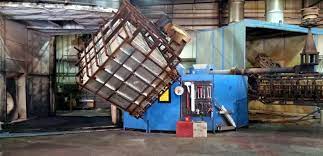
Exploring the Environmental Impact of Rotomolding
Rotational molding, or rotomolding, is a popular manufacturing process used to create hollow plastic products like tanks, containers, and playground equipment. While Rotomolding offers various industrial benefits such as cost-effectiveness and design flexibility, it is crucial to understand and evaluate its environmental impact as sustainability becomes a key concern in modern manufacturing.
One significant environmental advantage of rotomolding is its low-waste nature. Since the process involves heating plastic resin inside a mold rather than cutting or shaping from larger pieces, it generates minimal scrap material. Additionally, the unused resin can often be reused in future cycles, reducing overall material waste. This makes rotomolding more sustainable compared to methods like injection or blow molding, which typically produce more byproducts.
However, rotomolding’s reliance on plastic resins, particularly polyethylene and other petroleum-based polymers, raises environmental concerns. These materials are not biodegradable and can contribute to long-term pollution if not properly disposed of or recycled. Moreover, the production of plastic resins involves significant energy consumption and carbon emissions, which contribute to climate change.
Another factor to consider is energy usage. While rotomolding typically requires lower pressures, it involves prolonged heating and cooling cycles, which can lead to high energy consumption depending on the size and complexity of the mold. This reliance on heat, often generated by fossil fuels, can negatively impact the carbon footprint of the manufacturing process.
Fortunately, the industry is making strides toward more sustainable practices. The use of recycled and biodegradable resins is gaining momentum, offering a more eco-friendly alternative to traditional plastics. Additionally, innovations in energy-efficient ovens and mold designs are helping to reduce energy consumption during production.
In conclusion, while rotomolding presents some environmental challenges, especially regarding plastic use and energy consumption, it also offers several eco-friendly benefits like low waste generation and recyclability. With ongoing advancements and a shift toward greener materials and technologies, rotomolding can become a more sustainable option in the future of plastic manufacturing.
Proudly powered by WordPress. Theme by Infigo Software.