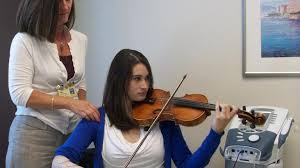
Targeted Pain Management Techniques for Performing Artists
Performing artists frequently face unique physical demands that place them at risk for acute and chronic pain conditions. Whether dancers, musicians, or actors, these professionals engage in repetitive movements, sustained postures, and high-intensity activities that may lead to musculoskeletal discomfort or injury. In Performing Arts Medicine targeted pain management techniques are essential to support these individuals in maintaining their performance quality and career longevity.
Effective pain management begins with a thorough clinical assessment to identify the source and nature of pain. This includes detailed history-taking, physical examination, and, when necessary, diagnostic imaging. Understanding the specific biomechanical stresses related to the artist’s discipline allows clinicians to tailor pain management strategies accordingly.
Non-pharmacological interventions form the foundation of pain management in performing artists. Physical therapy plays a critical role, employing modalities such as manual therapy, therapeutic exercises, and movement retraining. These interventions aim to correct biomechanical imbalances, improve flexibility and strength, and enhance overall functional capacity. For example, targeted exercises may focus on stabilizing the core muscles in dancers to reduce lower back pain or on correcting posture in instrumentalists to alleviate neck and shoulder discomfort.
Adjunctive treatments including ultrasound therapy, electrical stimulation, and cold or heat applications are also utilized to reduce inflammation and modulate pain perception. Research supports the efficacy of such modalities in accelerating recovery and improving pain outcomes in musculoskeletal conditions (American Physical Therapy Association, 2020).
Pharmacologic approaches are used judiciously within performing arts medicine, considering the need to minimize side effects that could impair performance. Nonsteroidal anti-inflammatory drugs (NSAIDs) are commonly recommended for short-term relief of inflammation-related pain. In some cases, topical analgesics provide localized symptom control without systemic effects. More invasive options, such as corticosteroid injections or nerve blocks, may be considered in refractory cases under specialist supervision.
Emerging evidence underscores the value of multidisciplinary pain management programs. These integrate physical, psychological, and educational components to address pain comprehensively. Cognitive behavioral therapy and relaxation techniques can assist performers in managing pain-related anxiety and improving coping strategies, which is particularly relevant given the high psychological demands of performing arts professions.
Ergonomic modifications and equipment adjustments are important preventive and therapeutic measures. For musicians, optimizing instrument setup and posture can significantly reduce strain. Similarly, dancers benefit from footwear and flooring considerations tailored to minimize impact forces.
Access to specialized performing arts medicine clinics enhances the effectiveness of targeted pain management. These clinics provide expertise that aligns medical treatment with the artistic demands and schedules of performers, facilitating timely interventions and coordinated care.
Education remains a cornerstone of sustainable pain management. Performers receive guidance on recognizing early signs of injury, appropriate warm-up routines, and techniques for rest and recovery. Empowering artists with knowledge helps reduce the risk of chronic pain and supports self-management.
In conclusion, targeted pain management techniques for performing artists encompass a multifaceted approach integrating clinical assessment, physical therapy, judicious pharmacology, and psychosocial support. By focusing on individualized, discipline-specific interventions, performing arts medicine promotes health care for all communities of artists, supporting their physical well-being and professional endurance. Ongoing research and enhanced access to specialized services are critical to advancing pain management strategies in this unique population.
Proudly powered by WordPress. Theme by Infigo Software.