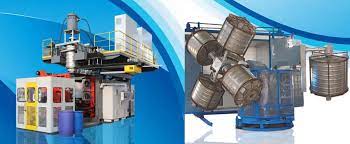
Rotomolding for Large and Complex Shapes
Rotational molding, often called rotomolding, is a versatile manufacturing process that excels at creating large, hollow, and complex plastic parts. This method is becoming increasingly popular across various industries for its ability to produce durable, seamless products with uniform wall thickness. If you’ve ever wondered how large items like kayaks, water tanks, or playground slides are made, the answer is often Rotomolding.
By the Numbers: Why Rotomolding Stands Out
The statistics surrounding rotomolding highlight its growing importance in modern manufacturing. The global rotational molding market was valued at over $20 billion in 2023 and is projected to continue its steady growth. Here’s a quick look at why it’s so effective:
Design Freedom: The process allows for the creation of intricate designs, including undercuts, multiple walls, and molded-in inserts, that are difficult or impossible to achieve with other methods like blow molding or injection molding.
Cost-Efficiency: Tooling costs for rotomolding are significantly lower compared to other plastic manufacturing processes. This makes it an ideal choice for producing large parts in lower volumes without a massive initial investment.
Material Versatility: Polyethylene is the most common material used, but rotomolding can also accommodate other polymers like PVC, nylon, and polypropylene, offering a wide range of properties for different applications.
Trending Now: Rotomolding’s Expanding Horizons
Rotomolding is no longer just for simple tanks and containers. The trend is moving towards more sophisticated and high-performance applications that leverage its unique advantages.
One of the biggest trends is the use of rotomolding in the automotive and aerospace industries. Manufacturers are creating lightweight, durable components like fuel tanks, air ducts, and interior panels that help improve fuel efficiency and reduce overall weight.
Another exciting development is in the design of consumer products. From stylish, modern furniture to custom-designed kayaks and recreational equipment, rotomolding allows for innovative shapes and vibrant colors that capture consumer attention. The ability to produce strong, seamless parts makes it perfect for items that need to withstand heavy use and harsh environmental conditions.
What makes rotomolding ideal for complex shapes?
The process involves a heated hollow mold that is filled with a plastic material. The mold is then rotated slowly, causing the melted material to coat the inside walls evenly. This slow rotation allows the plastic to fill every nook and cranny, creating detailed and complex shapes without stress points.
Is rotomolding environmentally friendly?
Rotomolding is a relatively sustainable process. It produces very little waste material, as the exact amount of plastic needed is placed in the mold. Additionally, many of the plastics used, like polyethylene, are recyclable, contributing to a more circular economy.
Proudly powered by WordPress. Theme by Infigo Software.