Emerging Trends and Statistical Insights in Workplace Screening Through Oral Testing Methods
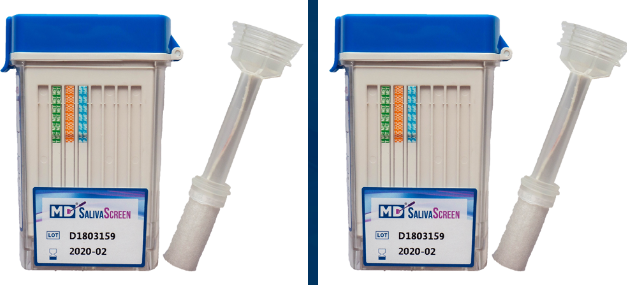
The demand for rapid, non-invasive screening solutions has significantly increased across industries, especially where safety and compliance are critical. In recent years, Oral drug tests have gained considerable traction due to their convenience, accuracy, and ability to detect recent substance use. Organizations are increasingly shifting toward saliva-based methods as part of modern workplace policies, driven by regulatory expectations and the need for efficient on-site testing.
What makes oral fluid testing a preferred choice in today’s landscape?
Saliva-based screening offers a shorter detection window compared to traditional methods, making it highly effective for identifying recent usage. This is particularly valuable in safety-sensitive roles where real-time impairment is a concern. Additionally, the non-invasive collection process reduces the need for specialized facilities, lowering operational costs and improving employee compliance rates.
How reliable are these testing methods statistically?
Industry data indicates that oral fluid testing has shown accuracy rates exceeding 95% in controlled environments. The reduction in adulteration risks further strengthens its credibility, as samples are typically collected under direct observation. Studies also highlight that detection times range from a few hours up to 48 hours, depending on the substance, which aligns well with workplace safety objectives.
Why are organizations adopting this approach at a faster rate?
Several trends contribute to the growing adoption. First, there is an increased emphasis on maintaining a drug-free workplace, particularly in sectors such as transportation, construction, and healthcare. Second, advancements in testing technology have enhanced sensitivity and turnaround times, enabling quicker decision-making. Lastly, regulatory frameworks are evolving to recognize oral fluid testing as a valid and effective alternative.
What are the operational benefits for businesses?
Companies benefit from streamlined processes, reduced administrative burden, and improved testing turnaround times. The simplicity of sample collection minimizes disruptions, allowing testing to be conducted almost anywhere without compromising accuracy. Furthermore, the ability to perform random or post-incident testing efficiently supports proactive risk management strategies.
What does the future hold for oral fluid screening?
Market projections suggest steady growth in adoption rates, with an increasing number of organizations integrating saliva-based testing into their standard protocols. Innovations in portable testing devices and digital reporting systems are expected to further enhance efficiency. Additionally, ongoing research aims to expand detection capabilities, making these tests even more versatile.
In conclusion, oral fluid testing represents a forward-thinking approach to workplace screening. Backed by strong statistical performance and evolving technological advancements, it continues to redefine how organizations manage compliance, safety, and operational efficiency in a rapidly changing environment.
Proudly powered by WordPress. Theme by Infigo Software.