Fire Watch Guards During Power or System Outages: Ensuring Safety When Technology Fails
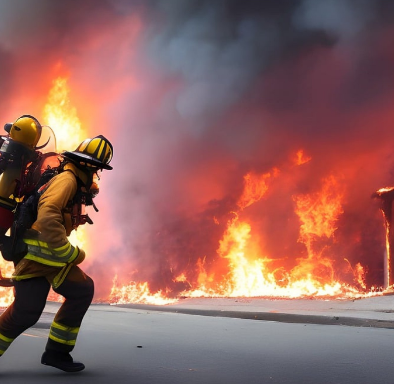
In modern facilities, fire detection and suppression systems are often the first line of defense against potential hazards. However, during power or system outages, these automated systems may become temporarily inoperative, increasing the risk of fire-related incidents. This is where human vigilance becomes critical, and the role of Fire Watch Guards comes into focus.
Why are Fire Watch Guards essential during outages?
When fire alarms, sprinkler systems, or smoke detectors are offline due to maintenance, technical failures, or electrical outages, a trained human presence is indispensable. Fire Watch Guards actively monitor vulnerable areas, identify potential ignition sources, and respond immediately to any signs of smoke, heat, or fire. According to industry safety studies, facilities without continuous monitoring during outages face up to a 40% higher risk of fire escalation compared to those with active fire watch protocols.
What responsibilities do Fire Watch Guards typically handle?
Fire Watch Guards perform multiple duties to ensure safety during outages:
Continuous patrolling of high-risk areas.
Monitoring fire-prone equipment such as generators, HVAC systems, or welding zones.
Reporting hazards or suspicious activity to facility management or emergency responders.
Maintaining detailed logs of inspections and patrols, which are often required for regulatory compliance.
Statistics indicate that structured fire watch programs can reduce property loss and minimize downtime by up to 30%, highlighting the cost-effectiveness of human monitoring during technical failures.
How are Fire Watch Guards trained?
Training is a critical factor in the effectiveness of fire watch services. Guards are typically trained in fire safety protocols, emergency response procedures, and the use of portable firefighting equipment. They are also educated on the facility’s specific risk areas, such as electrical rooms, storage warehouses, or chemical handling zones. Data from recent occupational safety surveys show that facilities with certified fire watch personnel experience 25% fewer fire-related incidents compared to those with untrained or temporary staff.
Are Fire Watch Guards a regulatory requirement?
In many regions, local fire codes and insurance policies mandate the presence of Fire Watch Guards whenever automated systems are offline. For instance, if a sprinkler system is temporarily out of service, regulatory bodies may require round-the-clock monitoring until the system is restored. Compliance with these regulations not only reduces legal liability but also improves overall safety for employees and property.
What technological support do Fire Watch Guards use?
While human vigilance is key, modern fire watch protocols often integrate technology. Guards may use portable fire detection devices, two-way radios for rapid communication, and real-time reporting apps to document observations. Studies reveal that combining human monitoring with technology improves detection efficiency by nearly 50%, demonstrating the advantage of a hybrid safety model.
How do businesses benefit from maintaining Fire Watch Guards?
Beyond regulatory compliance, employing Fire Watch Guards during outages has multiple operational benefits. It ensures uninterrupted safety monitoring, minimizes potential downtime due to fire incidents, and provides peace of mind to management and employees. According to industry reports, facilities that maintain consistent fire watch protocols experience faster incident response times, reducing potential damage costs by up to 35%.
Conclusion
While automated fire detection systems form a critical part of modern safety infrastructure, their effectiveness can be compromised during power or system outages. Integrating trained Fire Watch Guards into emergency protocols provides a reliable human layer of protection, reduces risk, and ensures compliance with safety regulations. Organizations that proactively implement fire watch measures are better prepared to protect both property and personnel, demonstrating a commitment to safety even when technology fails.
Proudly powered by WordPress. Theme by Infigo Software.