How to Build a Pool with Energy Efficiency in Mind
Building a swimming Pool is a rewarding investment, but it also comes with long-term responsibilities in energy consumption and environmental impact. Designing your pool with energy efficiency in mind not only helps reduce utility costs but also supports sustainable living. With thoughtful planning and smart choices in equipment and materials, it’s possible to enjoy a beautiful, functional pool while minimizing your carbon footprint.
1. Start with Smart Design
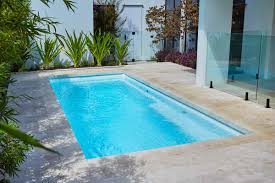
Energy efficiency begins with the pool’s design. The shape, size, and orientation of your pool can influence how much energy it consumes. A compact design reduces the volume of water to heat, filter, and maintain. Positioning the pool in a sunny area can also help maintain water temperature naturally, reducing reliance on heaters.
Additionally, using lighter-colored finishes can reflect sunlight and prevent excessive heat absorption, keeping the pool more comfortable during warmer months without the need for cooling systems.
2. Invest in Efficient Equipment
Choosing the right equipment plays a significant role in reducing energy use. Variable-speed pumps are a top consideration, as they adjust their speed to suit different tasks, consuming far less electricity than traditional single-speed models. They also tend to operate more quietly and last longer.
Energy-efficient heaters, whether solar, gas, or electric, should be selected based on your regional climate and usage needs. In warmer areas, solar heaters can be a cost-effective and eco-friendly choice. Pairing heating systems with a quality pool cover further improves efficiency by minimizing heat loss and evaporation.
3. Optimize Filtration and Circulation
Proper circulation ensures clean, safe water without wasting energy. Installing timers and automation systems can help run pumps and filters during off-peak hours or only when necessary. Additionally, using oversized filters may allow for slower pump speeds, reducing energy use while maintaining water quality.
4. Lighting and Additional Features
LED lighting is a highly efficient choice for both underwater and surrounding landscape lights. These lights consume a fraction of the power of traditional bulbs and offer longer lifespans with customizable brightness and color options.
For water features like fountains or waterfalls, consider using separate pumps with timers so they run only when desired, avoiding unnecessary energy consumption.
5. Conclusion
Building an energy-efficient pool is a smart step toward sustainable living. Through thoughtful design, energy-saving equipment, and mindful usage, you can enjoy the luxury of a pool while keeping operating costs low and reducing your environmental impact for years to come.
Proudly powered by WordPress. Theme by Infigo Software.