The Art of Mold Design: Customizing Shapes and Sizes with Rotational Molding
Rotational molding, often referred to as rotomolding, stands out like a distinctive method from the arena of plastic manufacturing. Here is a greater plunge into the particulars of this process:
The Rotomolding Procedure:
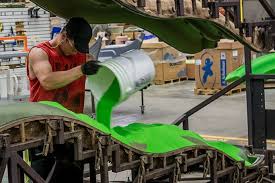
Material Reloading: This process initiates with the launching of polymer resins, generally in powdered form, right into a hollow mildew.
Warming: The jam-packed fungus will be heated inside an cooker as it rotates bi-axially or tri-axially. This controlled warming melts the resin, letting it jacket the inner top of the mold evenly.
Cooling: Subsequent on the melting period, the mildew is cooled, either through oxygen or h2o, solidifying the resin in to the wanted condition.
Unloading: When cooled, the mold is launched, along with the finished item is extracted, all set for finishing touches if neccessary.
Unique Functions:
Tooling Mobility: Rotational molding enables the creation of complex designs and fashoins without making use of complex molds, offering tremendous design and style overall flexibility.
Durability and strength: Items manufactured through rotational molding hold standard wall structure density, ensuring consistent durability and strength.
Financial Viability: With relatively low tooling costs and the opportunity to manufacture huge, hollow pieces in a single bit, rotational molding establishes inexpensive for mass creation.
Fabric Assortment: From polyethylene to Pvc material, rotational molding fits different thermoplastics, catering to varied item demands.
Programs Across Market sectors:
Business: Safe-keeping tanks, bins, and boxes locate their genesis in rotational molding for its cost-productivity and sturdiness.
Buyer Items: From trash can containers to home furniture, rotomolding extends to everyday client goods, taking advantage of its layout mobility.
Environment: Trying to recycle containers, composters, and rainwater harvesting methods exemplify the eco-helpful uses of rotational molding.
Travelling: Rotomolded parts are important in the car and marine industries, adding to light in weight, deterioration-resistant elements.
Eliminating Difficulties:
Pattern Time Optimizing: Methods like mold preheating and multi-left arm rotational devices support mitigate the time-ingesting mother nature of your process.
Squander Control: Efforts to minimize unwanted materials and increase recycling functionality are continuous to address enviromentally friendly issues.
Materials Developments: Analysis into new materials and additives seeks to expand the material color scheme for rotational molding, improving product functionality and looks.
Essentially, Rotational Molding emerges like a multifaceted producing method, offering a blend of design and style adaptability, monetary feasibility, and material adaptability, ready to depart an indelible label across various industries.
Proudly powered by WordPress. Theme by Infigo Software.